
A lot of people add one word when generating AI images: cinematic. And yes, it can help. But it is also one of those words that gets overused very quickly. Sometimes you write cinematic, and the image still looks pretty ordinary. Maybe it is just a bit darker, maybe the background is blurrier, but it does not really feel like a movie frame. The reason is simple: “cinematic” is not one single thing. It usually comes from a mix of lighting, lens choice, color, character mood, atmosphere, and a small sense of story. A prompt, sometimes shortened as Pmt, is not something you should treat like a magic spell. It is more like describing a scene clearly enough that AI knows what kind of image you are trying to make. Here are 10 cinematic prompt ideas you can study and adapt.
1.How do you write a rainy night street scene?
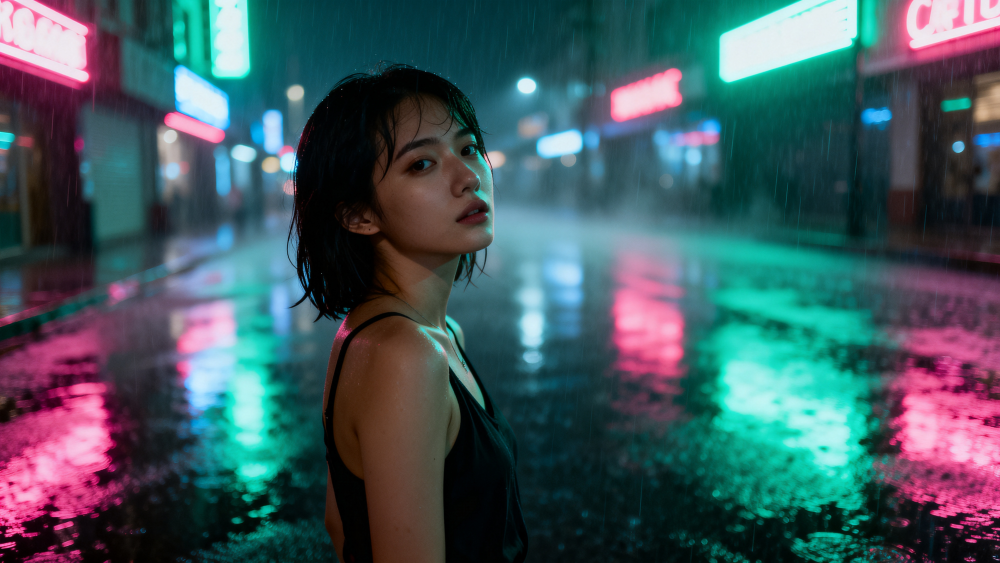
Rainy streets are great for cinematic images because they naturally create reflections, lights, and mood.
``` A young woman standing on a rainy night street, neon signs reflected on the wet pavement, cinematic lighting, shallow depth of field, soft mist, realistic skin texture, teal and magenta color grading, 35mm lens ```
The useful part is not just “rainy night.” It is the wet pavement, neon reflections, soft mist, and color grading. Once the ground starts reflecting light, the image immediately gets more depth.
2.How do you write a quiet portrait?
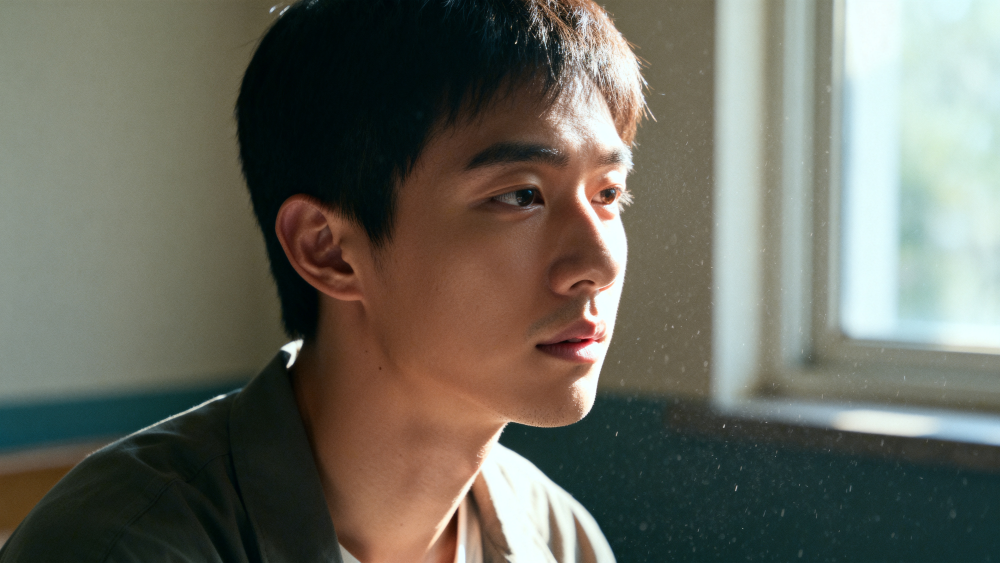
Sometimes a cinematic image is not a huge scene. It can simply be a person sitting still while the light falls on their face in the right way.
``` A young man sitting beside a window in the early morning, soft natural light falling across his face, quiet room, tiny dust particles in the air, warm muted colors, realistic shadows, cinematic portrait, 50mm lens ```
The key here is quietness. Do not rush to write epic or dramatic. Window light, dust in the air, and muted colors can feel much closer to a paused moment in a film.
3.How do you create a road movie feeling?
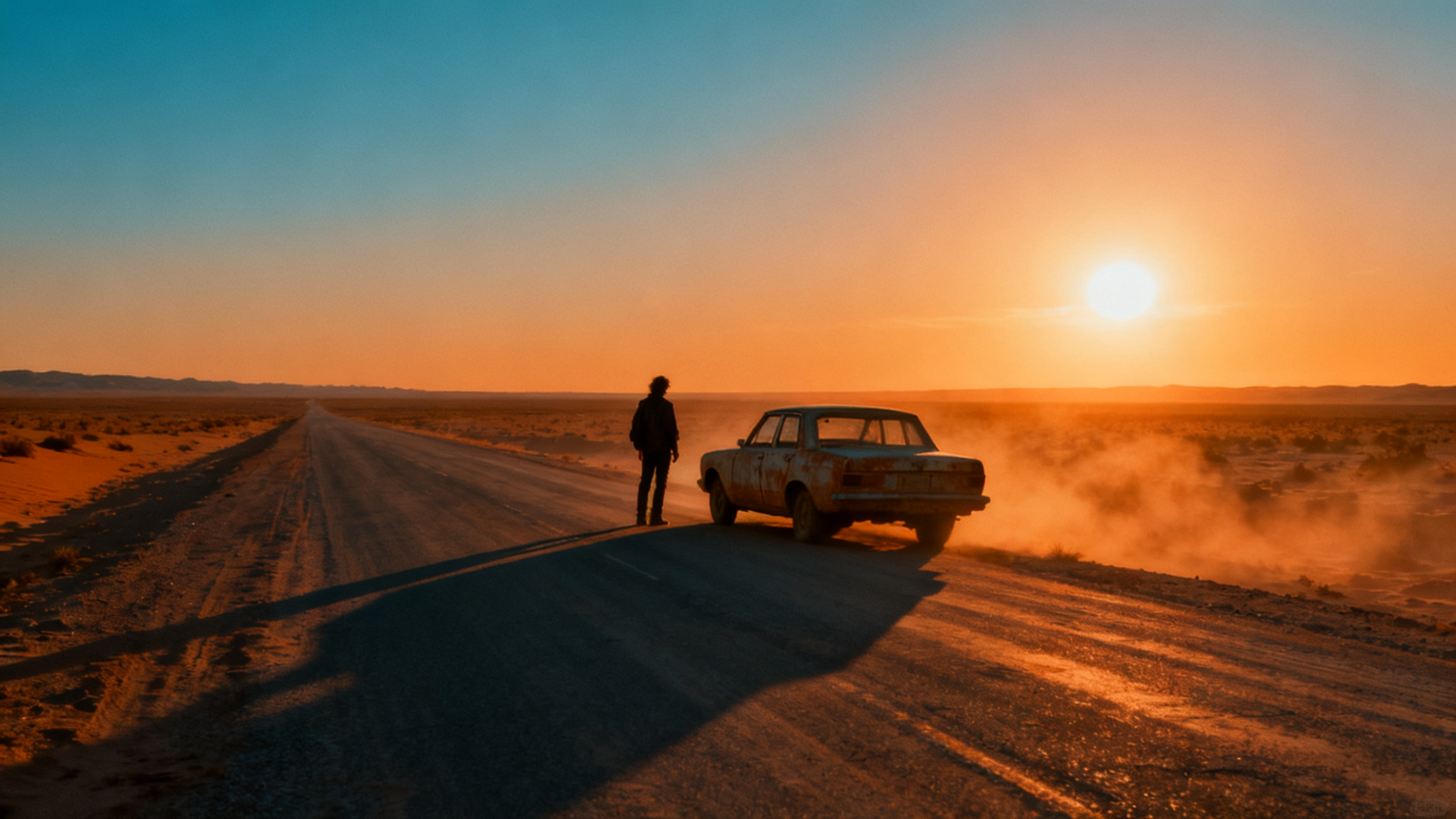
A road movie image is not really about the car. It is about space, distance, and a bit of loneliness.
``` A lone traveler standing beside an old car on an empty desert road at sunset, wide cinematic composition, golden hour light, long shadows, dusty air, orange and blue film color grading, movie still ```
The empty road and wide composition matter a lot. The image needs somewhere to breathe. Otherwise, it becomes just a person next to a car.
4.How do you write a moody cafe scene?
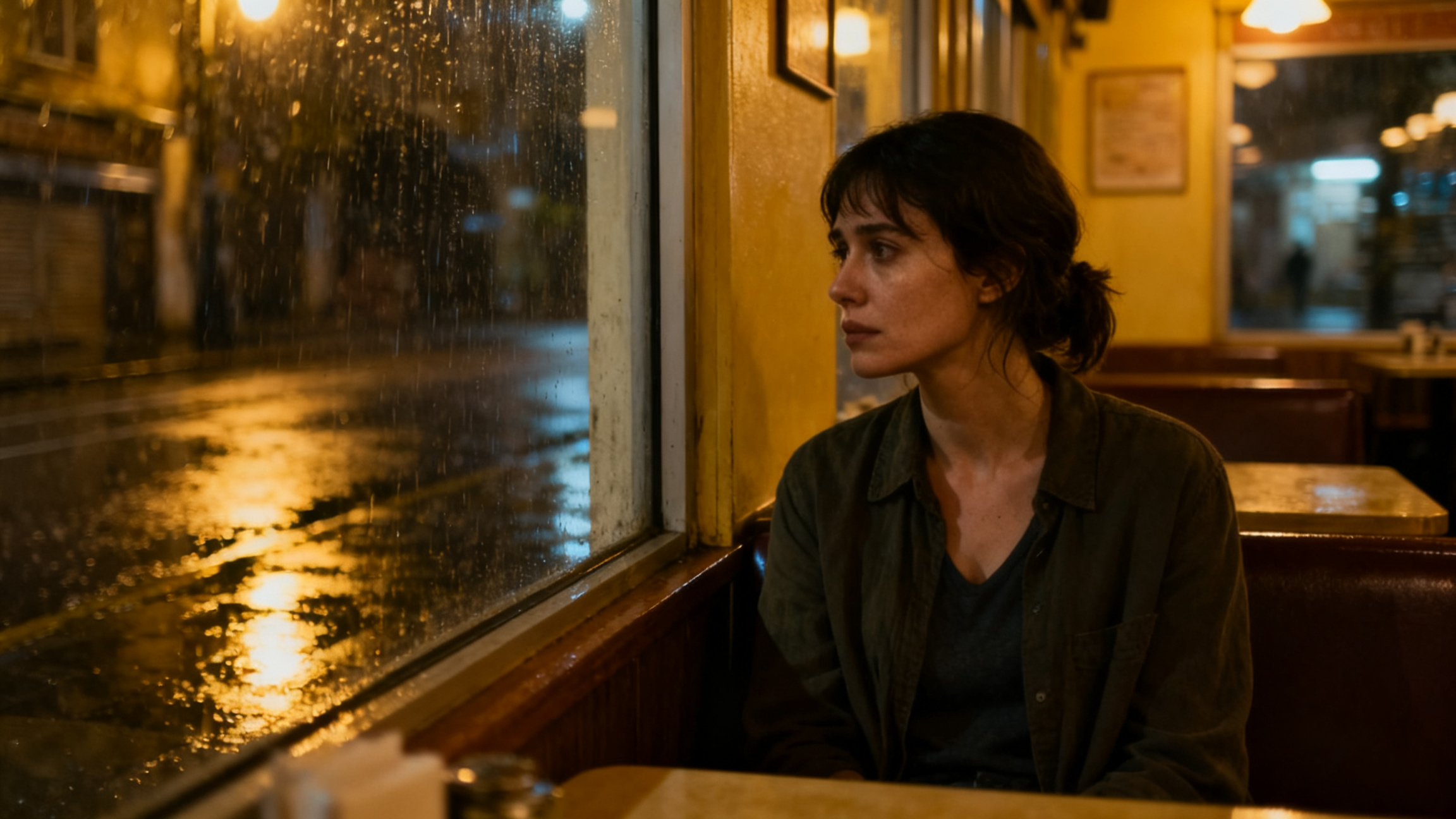
Cafe scenes are common, but they can easily become boring. The trick is to describe what the person is doing, what is outside the window, and where the light comes from.
``` A woman sitting alone in a small cafe at night, looking out the window, soft reflections on the glass, warm indoor light, rainy street outside, subtle melancholy, cinematic still, realistic skin texture ```
What makes this work is the contrast: warm light inside, rainy street outside, and the person looking through the window. You do not need too much. The mood is already there.
5.How do you write a retro Hong Kong movie look?
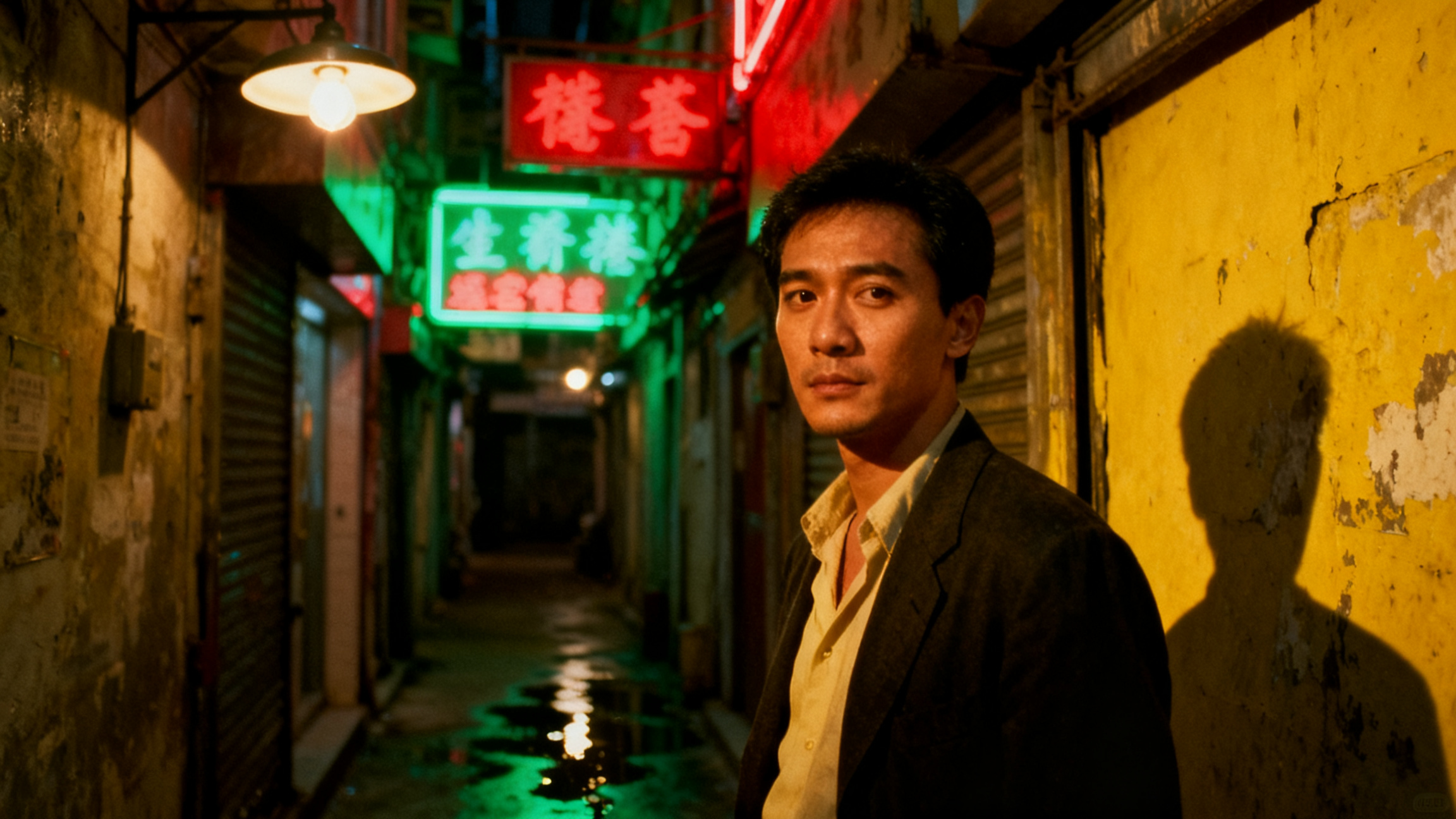
Writing “Hong Kong style” is usually not enough. The feeling often comes from old shop signs, tungsten light, narrow alleys, film grain, and red-green color contrast.
``` A cinematic street portrait in 1990s Hong Kong style, narrow alley, old shop signs, warm tungsten light, green and red color contrast, slight film grain, dramatic shadows, realistic facial details ```
If you want it to feel more real, do not make everything too glamorous. Old streets, old signs, old walls, these details often give the image more flavor.
6.How do you create suspense without showing too much?
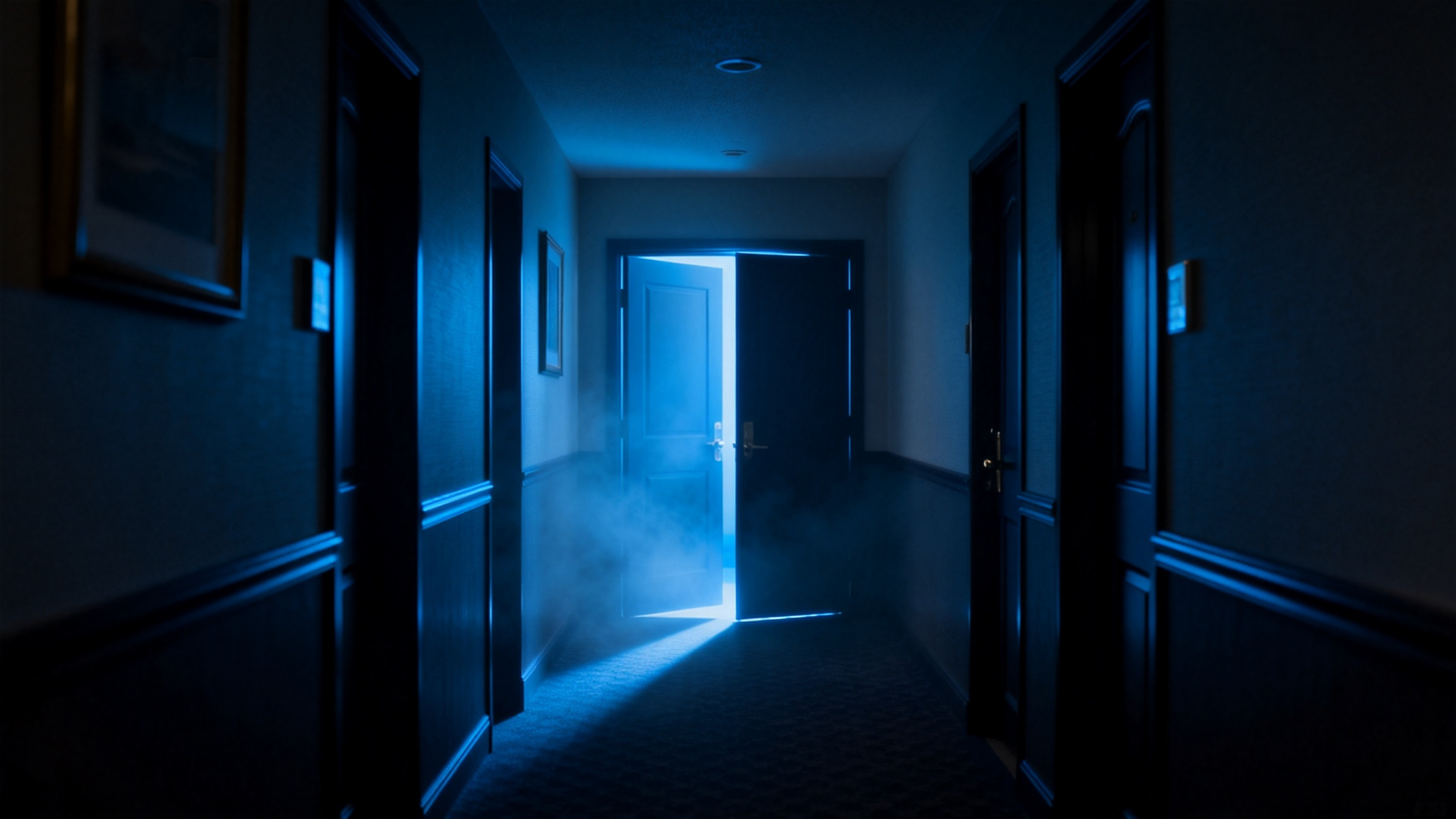
Suspense does not always need a monster. Sometimes one half-open door is enough.
``` A dimly lit hotel corridor at midnight, one door slightly open, cold blue light leaking through the gap, long perspective composition, low-key lighting, soft fog, cinematic suspense, eerie but restrained atmosphere ```
The important detail is the slightly open door. AI responds well to specific visual moments like this because it turns a plain hallway into a scene where something might have happened.
7.How do you make sci-fi feel less cheap?
Sci-fi images can easily turn into too much blue light, too many screens, and random glowing lines. A more restrained version often looks better.
``` A scientist standing in a quiet futuristic laboratory, soft holographic light illuminating the face, clean glass walls, minimal technology devices, cool white and cyan color palette, cinematic sci-fi atmosphere, realistic details ```
“Minimal technology devices” is a useful phrase. It keeps the image from becoming too noisy and makes it feel more like a real movie set.

8.How do you write a post-apocalyptic scene?
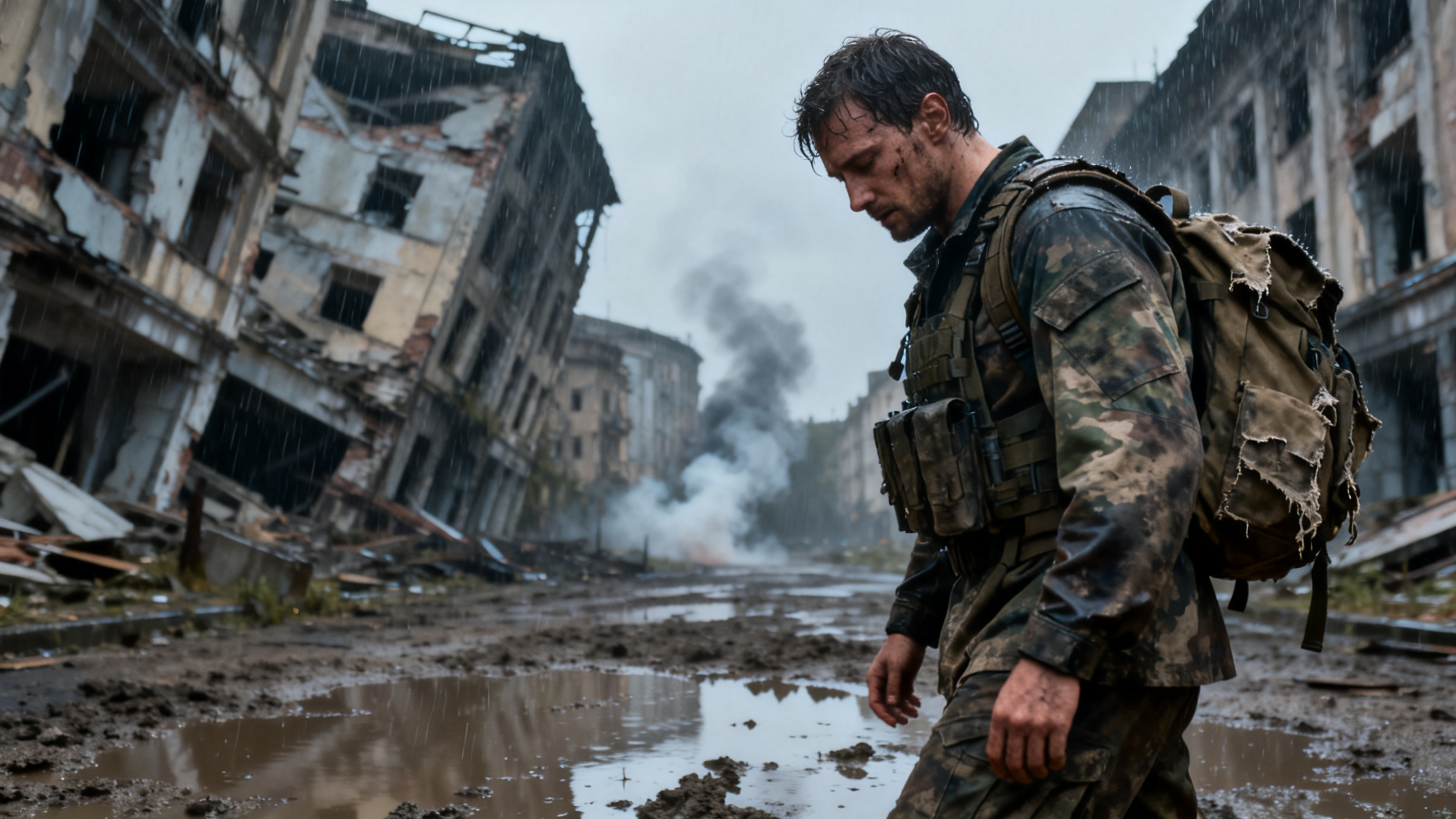
Do not only write “destroyed city.” The character’s condition matters because it controls the emotional tone.
``` A tired soldier walking through an abandoned city after rain, broken buildings in the background, gray sky, muddy ground, desaturated colors, cinematic realism, emotional storytelling, handheld camera feeling ```
A tired soldier is usually more interesting than a heroic soldier. Cinematic images are not always about looking cool. Sometimes they work because you feel the person has just been through something.
9.How do you write a fantasy forest without making it look cheap?
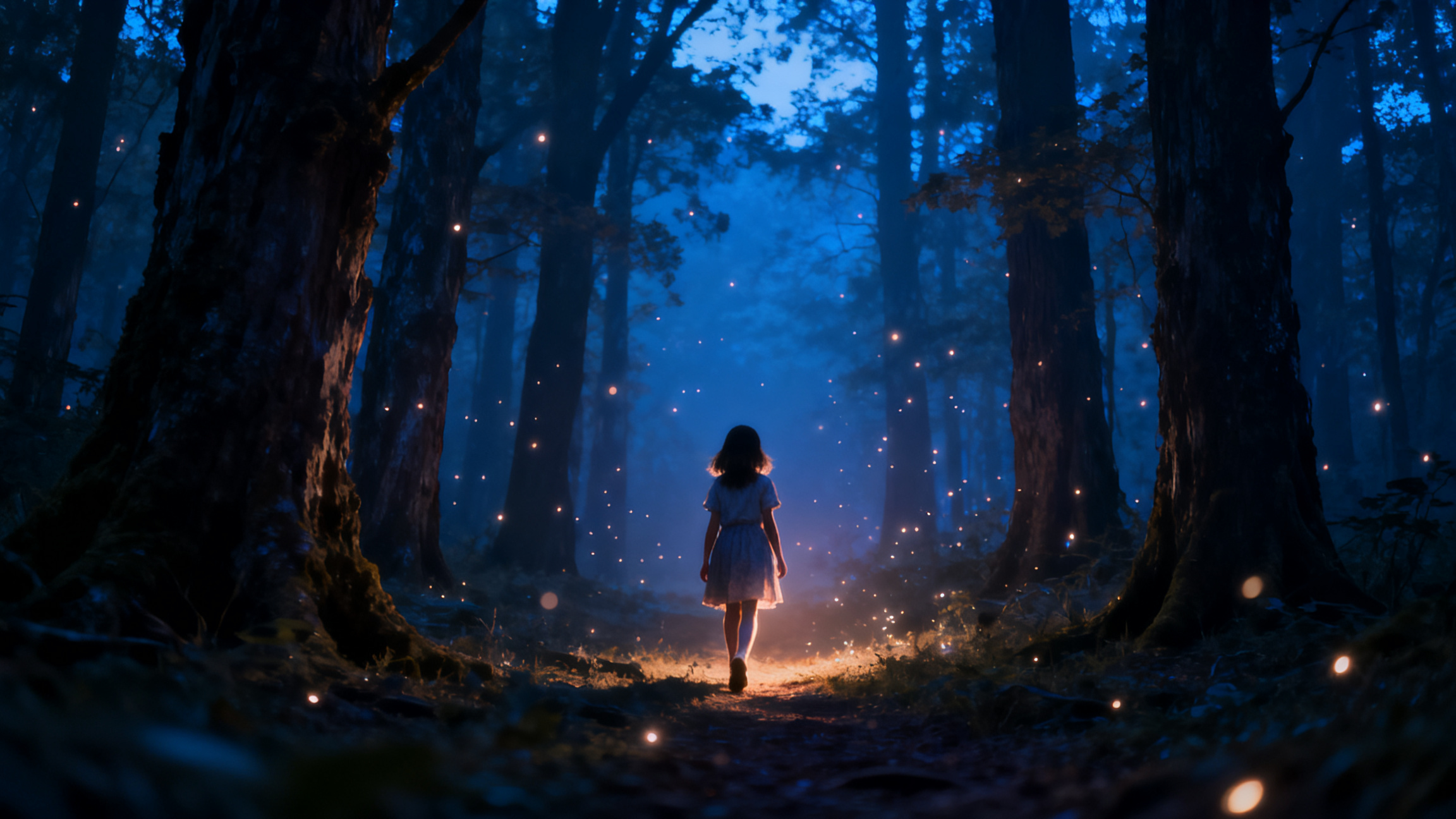
Fantasy scenes can easily become too shiny and game-like. It helps to add a little realism.
``` A young girl walking into a glowing forest at dusk, ancient trees, soft blue light, tiny floating particles in the air, gentle backlight, magical but realistic atmosphere, rich depth, movie still composition ```
“Magical but realistic” is a useful balance. It keeps the fantasy feeling, but stops the image from becoming too fake or overly decorative.
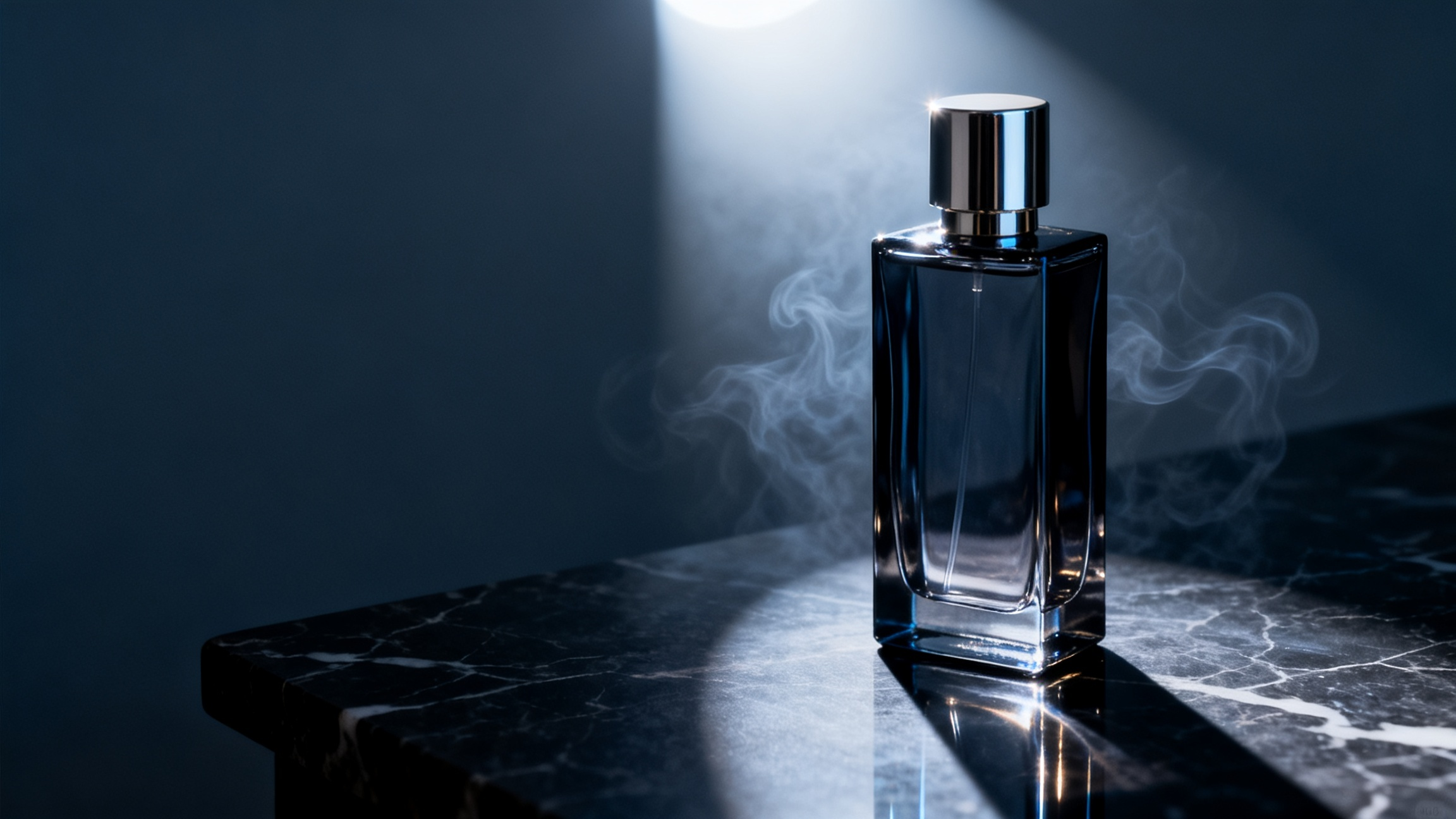
10.Can product images also look cinematic?
Yes. Product images can work very well with cinematic lighting.
``` A luxury perfume bottle placed on a dark marble table, soft spotlight from above, subtle smoke, elegant reflections, deep shadows, cinematic product photography, minimal composition, premium material texture ```
For product images, do not fill the background with too many things. The real quality usually comes from light, shadow, reflection, and material. The cleaner the background is, the more expensive the product can feel.
So how should you actually practice cinematic prompts?
I do not think there is one perfect cinematic prompt that works for everything. Cinematic style depends on the scene. Before writing a prompt, ask yourself a few simple questions: What time is it? Where is the light coming from? What is the character feeling? Is there one small detail that suggests a story? Is the image warm or cold? Is the shot close or wide? Once those things are clear, your Prompt/Pmt will usually work much better than just stacking words like cinematic, ultra detailed, masterpiece, and 8K. Learning prompts is not really about memorizing keywords. It is more like training your ability to describe images. The clearer you can explain the picture in your head, the easier it becomes for AI to help you make it.