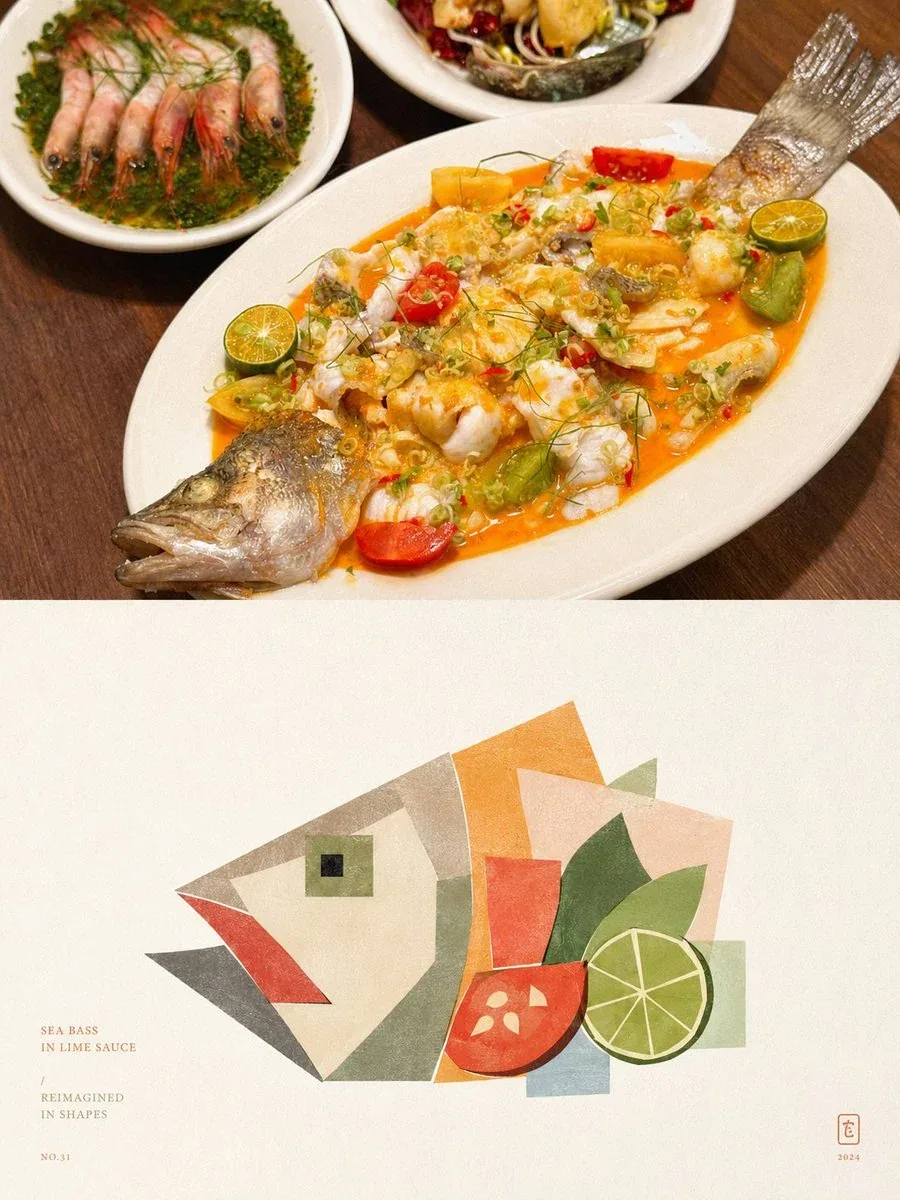
Geometric Deconstruction Poster Design AI Image Prompt
Please turn each uploaded photo into an independent high-end design poster, no multi-image stitching, each photo output separately. Use a 3:4 vertical composition, with the upper and lower areas strictly 1:1 in height, each occupying 50% of the frame. The upper half retains the original photo, preserving the subject's identity, structure, pose, realistic texture, natural lighting, and original color atmosphere, with only subtle high-end color grading to give it the quality of art magazine, independent publication, and exhibition imagery. To fit the aspect ratio, the environmental background may be naturally extended, but the subject must not be stretched, distorted, or altered. The lower half extracts the most recognizable subject, outline, structure, pose, and narrative relationship from the photo, and reconstructs it as a blocky, modular geometric deconstruction illustration. Do not completely copy the photo, nor depict it realistically. Instead, remove irrelevant details and keep only the visual memory points that most represent the identity and temperament of the original subject. Rebuild the image through geometric simplification, shape overlapping, and collage-style recombination, so that people can identify at a glance its correspondence with the photo above. The overall form emphasizes blockiness, modularity, geometric segmentation, and large complete planes. Avoid overly fragmented geometric splits; do not cut into many scattered small pieces. Instead, organize the subject with fewer, larger, more complete rectangles, squares, rounded squares, ellipses, triangles, and irregular planes. People may be represented with square faces, clear jawlines, and faceted features; architecture may be transformed into cubic volumes, facade divisions, window rhythms, and structural transitions; animals, plants, objects, and landscapes should also be distilled into geometric forms with blocky order and modular relationships. Moderate exaggeration and distortion are allowed, but the overall result must be mature, restrained, and simple, avoiding fussiness, childishness, and over-fragmentation. The overall style uses flat color blocks + collage-like composition + modernist geometric language. Color blocks are re-assembled like pieces of paper, creating a distinct but orderly cut-and-paste feel; complex backgrounds are actively removed, leaving only a few necessary shapes or auxiliary planes, not forming a second visual center. Composition maintains a relationship of small-scale subject / large negative space, freely arranging positions according to the subject's own direction, proportion, visual weight, and structural flow. It may be off-center, edge-aligned, or partially cropped, but always maintains clear hierarchy, rhythm of density, and editorial balance. The overall image values positive/negative space, weight of blocks, breathing room from white space, and layout order, so the lower half has both an artistic feel and a high-end publication temperament. The material shows gentle paper grain and subtle printmaking texture: retain delicate paper feel, soft noise, and slight print texture on the geometric color blocks, making the image closer to paper collage or art print work. Avoid smooth vector, 3D rendering, photo filters, and over-refinement. Color palette: extract 2–4 most recognizable, appealing, and characteristic colors from the upper photo, and reorganize them into a more refined color system. The overall image may be moderately brightened, purified, and de-grayed into lighter, more modern, and pleasing color relationships such as cream white, apricot, peach pink, coral orange, mist blue, gray-green, sage green, warm brown, soft purple, etc. The main colors are vivid but not harsh; the auxiliary colors are gentle and layered. The overall temperament is clean, warm, fashionable, and approachable, avoiding earthy yellow, dirty gray, dark brown, fluorescent colors, cheap candy feel, and messy color combinations. Text should be used sparingly, with no language restriction. Based on the subject's identity, location, mood, temperament, or symbolic meaning, you may freely extract short titles, small annotations, numbers, or descriptive snippets. The text should be small, light, and restrained, naturally placed in white space or at the edge of the layout, forming a refined graphic-text relationship with the shapes, not piling up commercial headlines. The overall effect is composed of large complete planes of geometric deconstruction, restrained collage, soft high-end color palette, paper grain, generous white space, and editorial typography. Whatever the subject—person, architecture, animal, plant, object, or landscape—the result must maintain clear identity, modular geometric order, and a unified artistic language. Avoid realistic depiction, over-fragmentation, childish collage, complex perspective, excessive detail, cartoonishness, 3D feel, templated poster look, and cheap cultural-product feel.
Content: Structure: 1:1 top-bottom split; top photo, bottom geometric illustration; style, material, palette, whitespace, and text rules.
Pros: Highly prescriptive for consistent series; detailed control over geometry, palette, and texture.
Cons: Many constraints may limit creativity; hard to apply to complex subjects.
Reference image: Clearly relies on uploaded images (each photo)
Source materials are collected from publicly accessible web pages. Contact us if a rights issue needs review. Copyright & Privacy