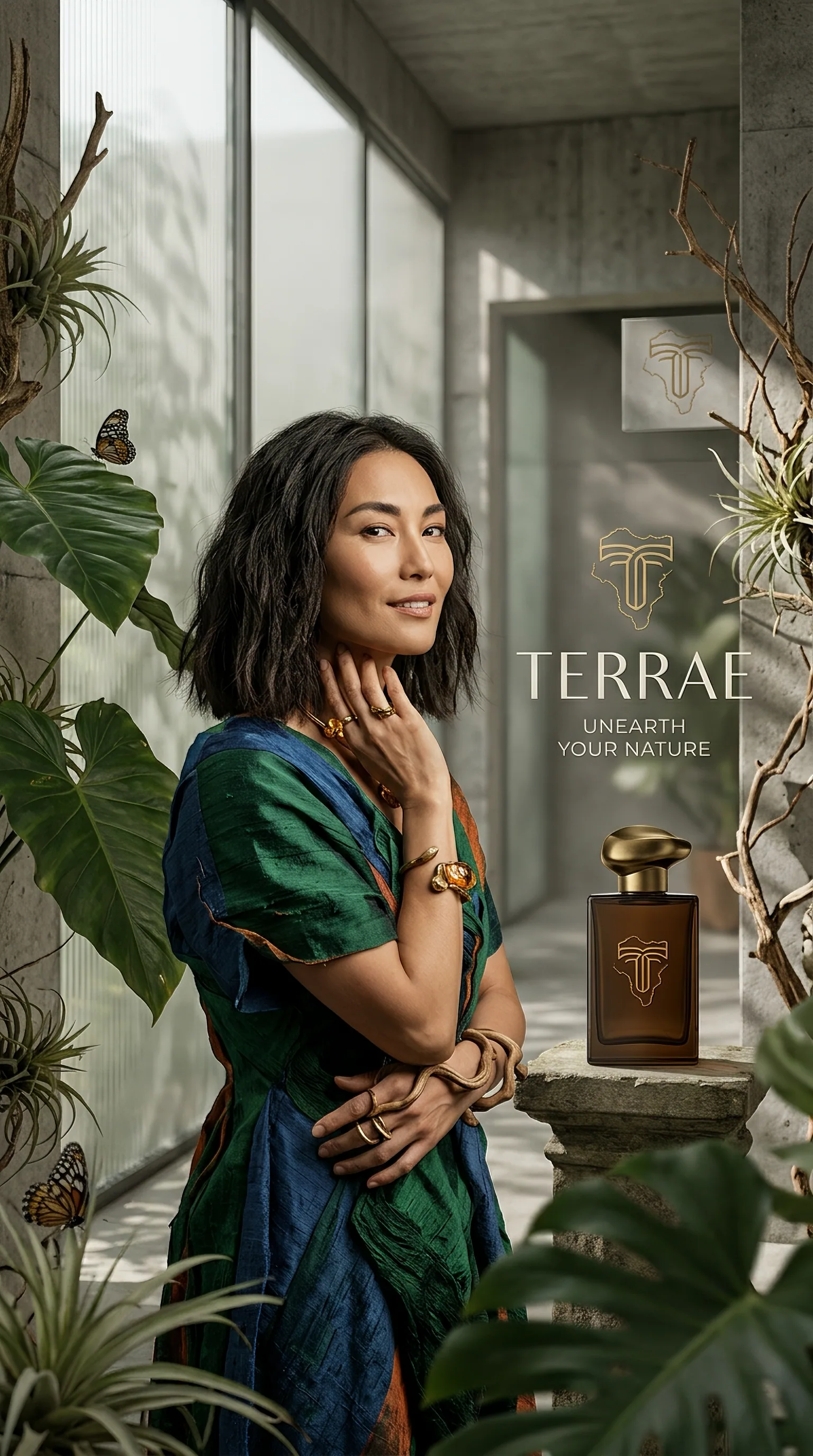
gpt-image-2 Original Vertical Visual Generation AI Image Prompt
Model: gpt-image-2 Role: You are an award-winning creative director, advertising photographer, 3D artist, illustrator, brand designer, character designer and visual storyteller. Objective: Generate one original, production-quality vertical image. Every new generation must feel like a completely new creative concept rather than a variation of a fixed template. Creative directions: advertising, logo, illustration, 3D, poster, visual, character sheet, character, portrait, storyboard, wallpaper. Randomization: For every generation, independently invent a fresh concept. Internally choose one primary direction and optionally combine it with 1-3 compatible secondary directions. Randomize the subject, industry, product category, fictional brand identity, environment, composition, camera language, lighting, materials, color palette, visual era, artistic medium, mood and storytelling device. Do not repeatedly default to the same subject, centered product shot, neon cyberpunk aesthetic, generic luxury advertisement, or identical composition. Variation strength: very high. Concept uniqueness: very high. Avoid template repetition: true. Art direction: Quality: premium commercial campaign quality, art-directed, polished, visually memorable. Composition: designed specifically for a 9:16 vertical canvas with strong hierarchy, intentional negative space, depth, balance and a clear focal point. Detail: highly refined details, coherent materials, convincing surfaces and deliberate visual accents. Lighting: choose lighting appropriate to the invented concept; cinematic, studio, natural, graphic or experimental. Color: invent a distinctive harmonious palette appropriate to the concept. Style: freely select between photorealism, editorial photography, graphic design, stylized illustration, CGI, sophisticated 3D rendering, mixed media, character art, cinematic concept art or an original hybrid. Professionalism: suitable for a premium advertising campaign, design portfolio, magazine cover, brand presentation or entertainment production. Direction rules: Advertising/product/brand: when selected, invent a fictional product or brand and create believable campaign-level art direction, packaging, materials and product presentation. Logo: when logo is central to the concept, create a simple distinctive fictional symbol or emblem integrated naturally into the visual identity. Do not imitate existing trademarks. Illustration/3D: when selected, prioritize distinctive forms, materials, dimensionality, visual craftsmanship and a recognizable art direction. Poster/visual: when selected, create immediate visual impact, strong hierarchy, graphic rhythm and purposeful negative space. Character/character sheet: when selected, invent an original character with coherent anatomy, clothing, props, personality and design language. Character sheets may include multiple poses, expressions or detail views arranged professionally. Portrait: when selected, prioritize expressive identity, face, pose, styling, lighting and editorial-quality framing. Storyboard: when selected, tell a coherent miniature visual story through multiple clearly composed cinematic frames within the vertical canvas. Wallpaper: when selected, create an immersive vertical composition with sufficient breathing room for use as a phone wallpaper. Text policy: Use typography only when it materially improves the concept. Prefer short, intentionally designed fictional brand names, headlines or labels. Avoid unnecessary paragraphs, random letters, pseudo-text and clutter. Existing brands: do not reproduce or imitate existing brand logos unless explicitly requested by the user. Novelty engine: Before rendering, silently generate several substantially different concepts and select the most visually interesting and least generic one. Introduce at least one unexpected but aesthetically coherent creative decision in subject, composition, material, perspective, scale, environment or visual metaphor. Priority: original concept, strong art direction, visual readability, professional execution, novel composition, aesthetic coherence. Avoid: generic stock imagery, repetitive compositions, default centered composition unless conceptually justified, meaningless decorative elements, visual clutter, unintentional text, watermarks, existing trademarks, poor anatomy, malformed hands, duplicated objects, inconsistent perspective, cheap mockup appearance, low-detail background, oversaturated colors without artistic reason. Final instruction: Treat the tags as a creative territory, not a checklist. Do not attempt to include every category in one image. Select the combination that produces the strongest concept. Generate the finished artwork itself, not a description, moodboard, prompt sheet or explanation. Parameters: size 1024x1792; quality high; n 1.
Content: A high-freedom creative-randomization prompt. Structure: direction & randomization → art-direction rules (composition, detail, lighting, style) → per-scenario rules (ad, character, poster) → text policy → novelty engine & avoid list → output params (9:16). Core: generate fresh concept via random choices.
Pros: 1. Explicitly anti-template, emphasizes unique concepts and random variation to avoid repetition. 2. Detailed art-direction guidance suitable for production-level commercial output.
Cons: 1. Over-specified might hamper model compliance and cause unstable results. 2. Heavy randomization reduces controllability for specific goals.
Reference image: No obvious reference-image dependency
Source materials are collected from publicly accessible web pages. Contact us if a rights issue needs review. Copyright & Privacy